
Dysoxylum spectabile
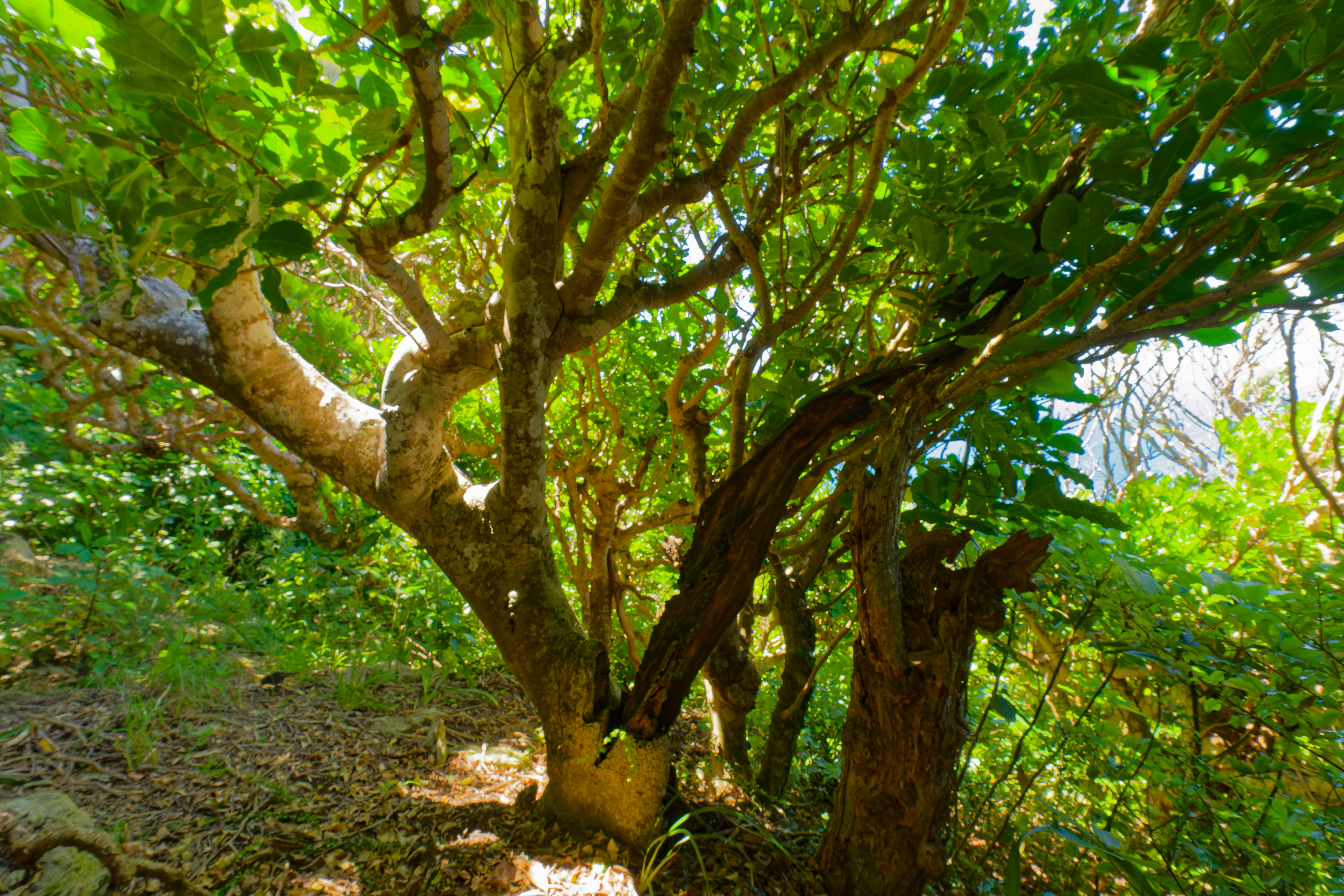
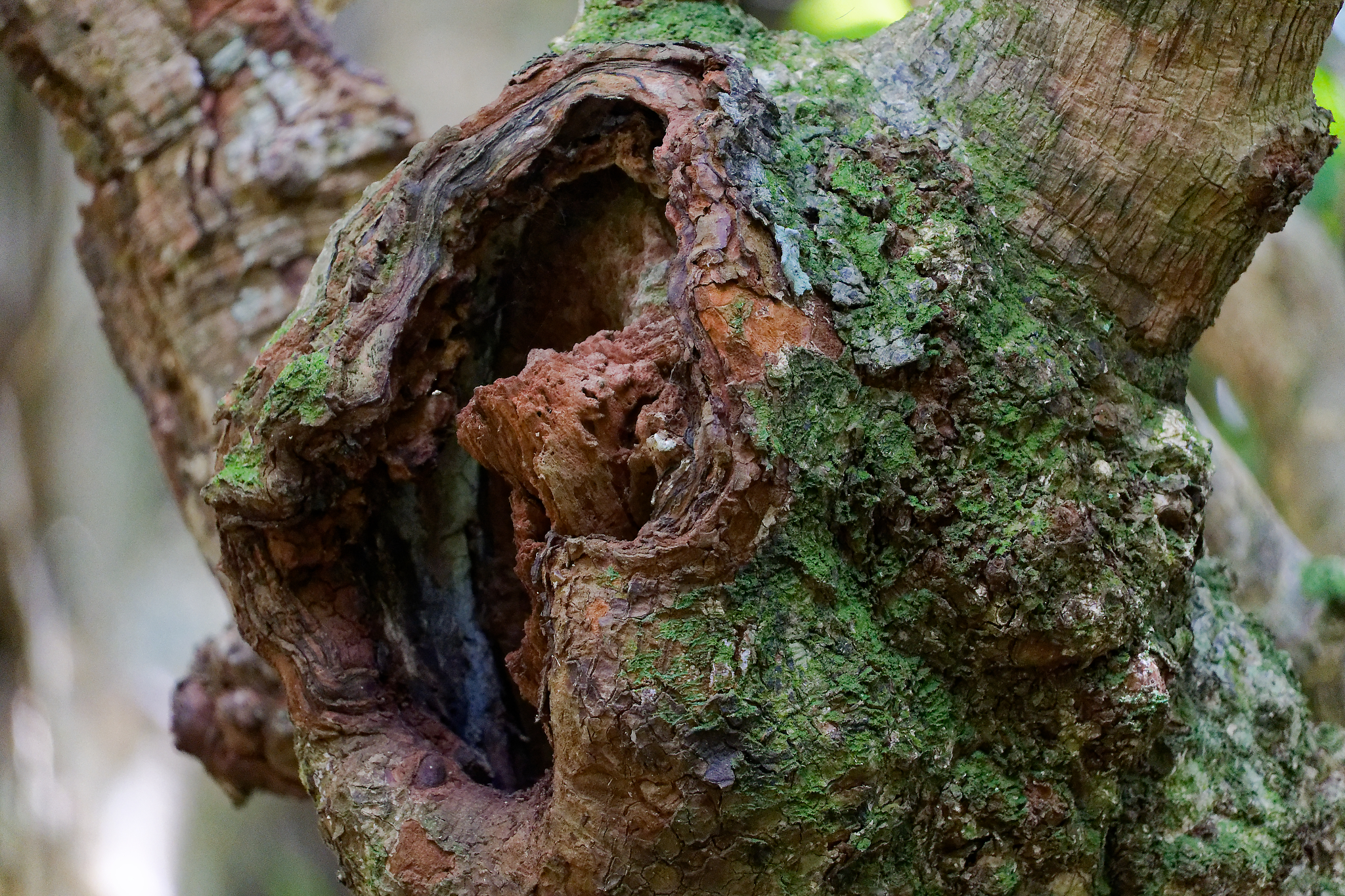
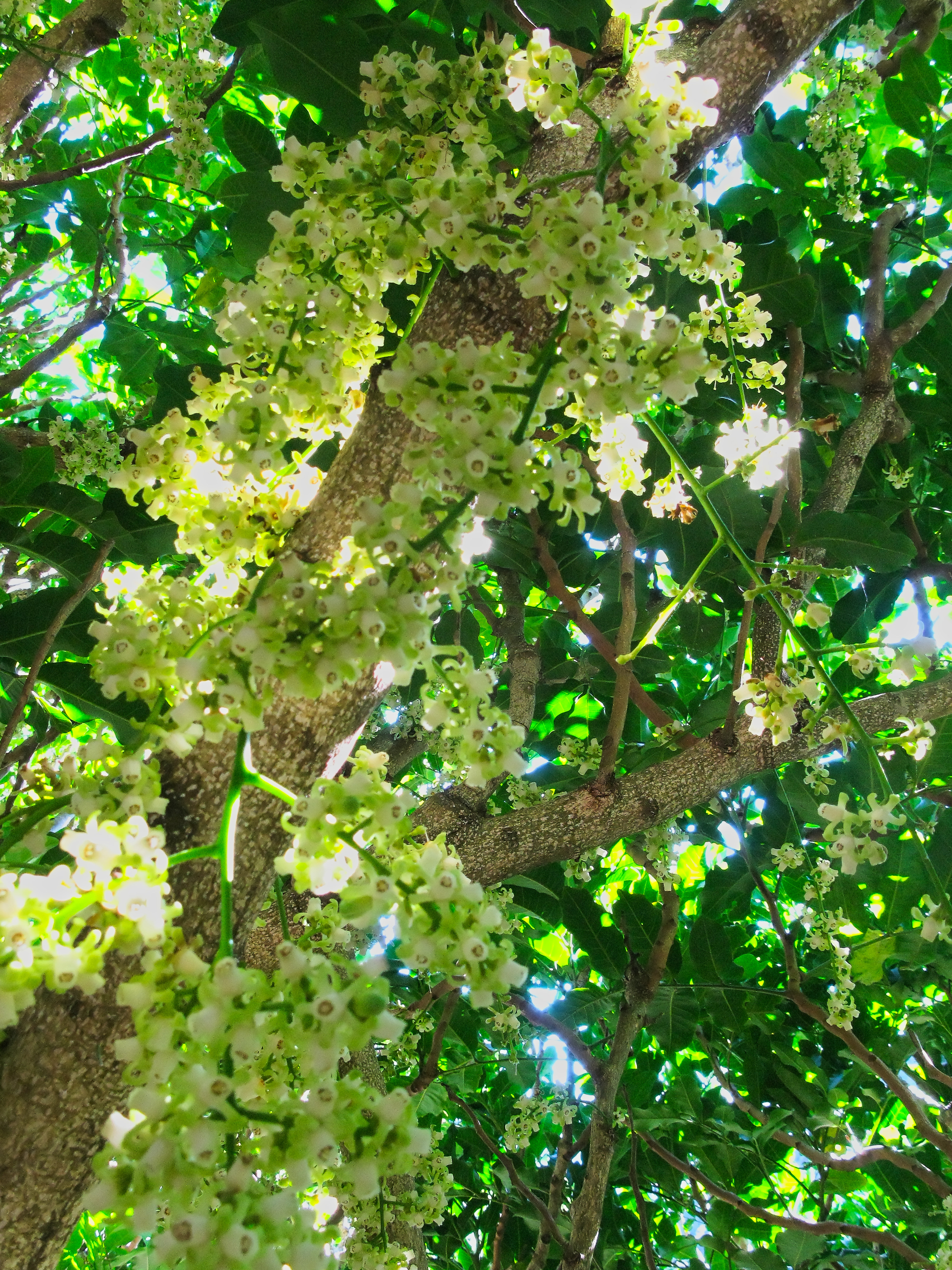
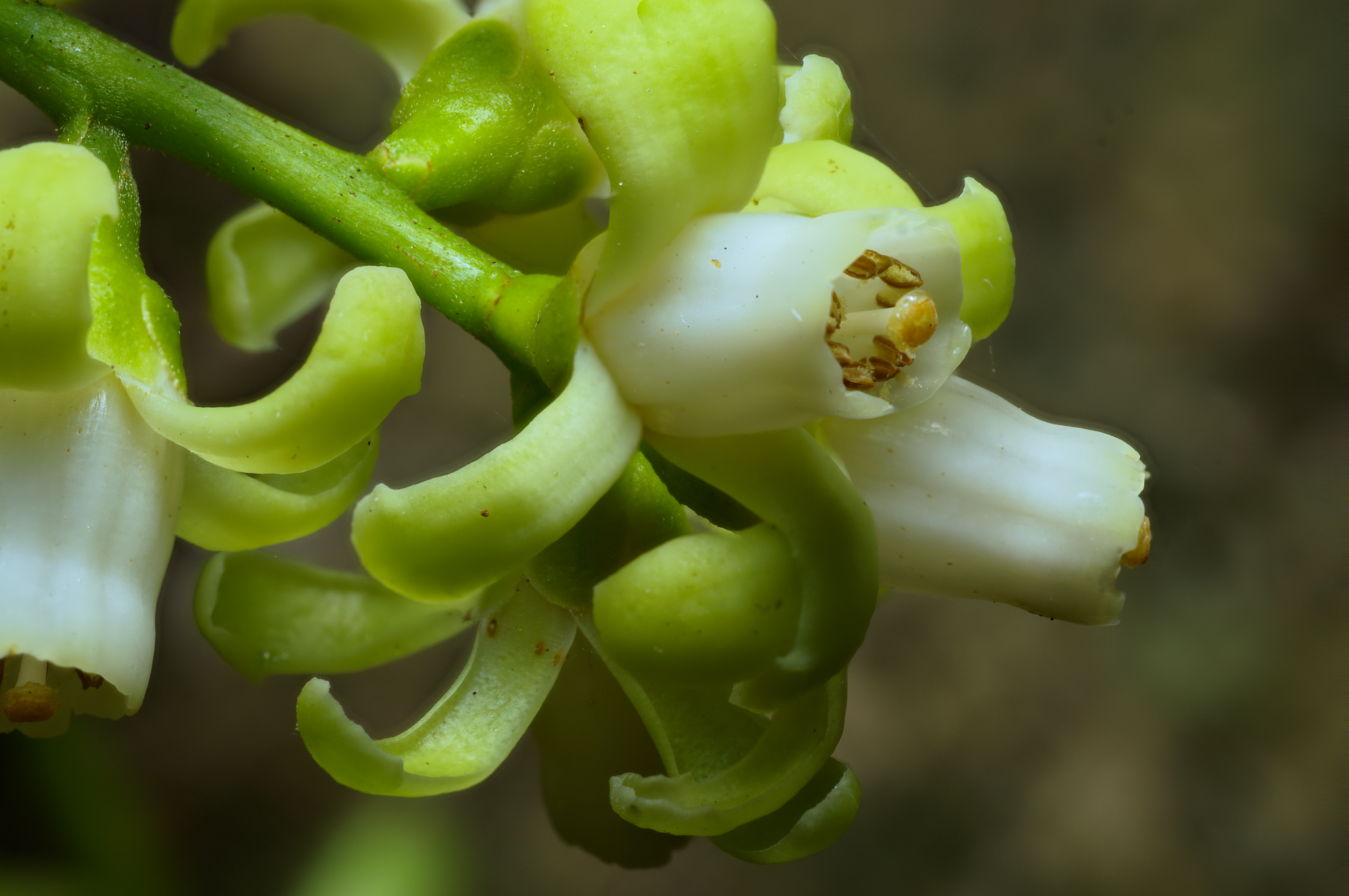
Kohekohe dominates the canopy in the existing forests on Puangiangi. It flowers on the trunks and branches, indicating that this is a tropical genus. The flowers are scented and in early winter strongly perfume the forest on a calm day. The fruit are large and probably need to be dispersed by big birds like kereru and weka. Seedlings are abundant in and at the edge of the existing forests and are now slowly spreading to the regenerating areas. The trees get damaged in the wind and trunks can rot out, making nesting holes for birds like kakariki. When I first saw the fruits on the ground at Otari in Wellington some years ago, I didn’t know what they were as they all would have been eaten by rats previously. It was only after some years of pest control by the Regional Council and others that the trees could flower without being chewed, set and then drop ripe fruit.



(What is this about? I’d like to get photos of all the trees, shrubs, climbers, ferns on the island and publish the photos on the website. Each species will get a page when I get enough reasonable photos.)
Discover more from Fauna Recovery New Zealand
Subscribe to get the latest posts sent to your email.
 Fauna Recovery New Zealand
Hi Barry,
Thanks for the interesting regular updates. I heard recently that kohekohe has been moved into another genus, Didymocheton spectabilis. Dont you hate that?
Cheers Mike
LikeLike
Hi Mike- thanks and I hope it is going well with you. Aaargh. I even had to check the spelling of Dysoxylum and now they want us to learn something new? Last month I checked the sooty burrows in the centre of the island that you found in the 1980s. Not active apart from penguins, but there is the main colony and two satellites. Cheers, Barry
LikeLike
Thanks Barry, its good to see that there are still some sooties still out there. What a stunning project you have, the best retirement you could wish for. Do you have large leaved milk tree on Puangiangi? Thats one that needs a good friend in the Sounds. Pretty much extinct on the mainland.
LikeLike
Hi Mike- yes including some in open country that are quite a size. There is one on the edge of the forest in a windy gully that is 1m high and 10 m long. Strong recruitment of seedlings and saplings but seed production must be pretty low because of the galls caused by eriophyids. Unless the mites have changed their name. Geoff Walls reckoned the island was a national stronghold for large-leaved milk tree.
LikeLike
Eriophyids. Not sure even how to pronounce that one but Ill take your word for it. Is that those tangly pink things? Fascinating. Geoff was constantly searching for LL milk trees and got a bit obsessed in the end.
LikeLike