
Artystona rugiceps
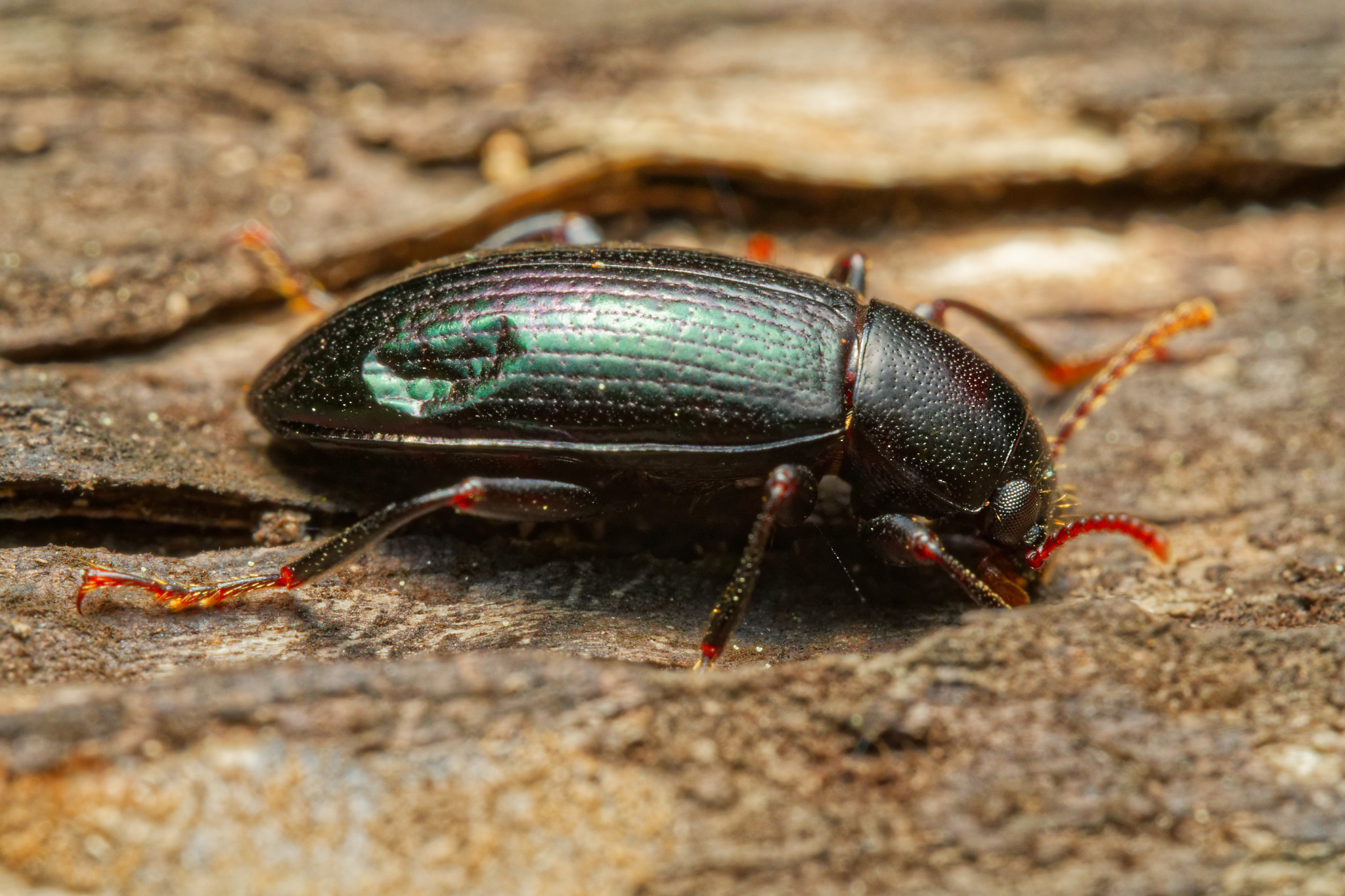
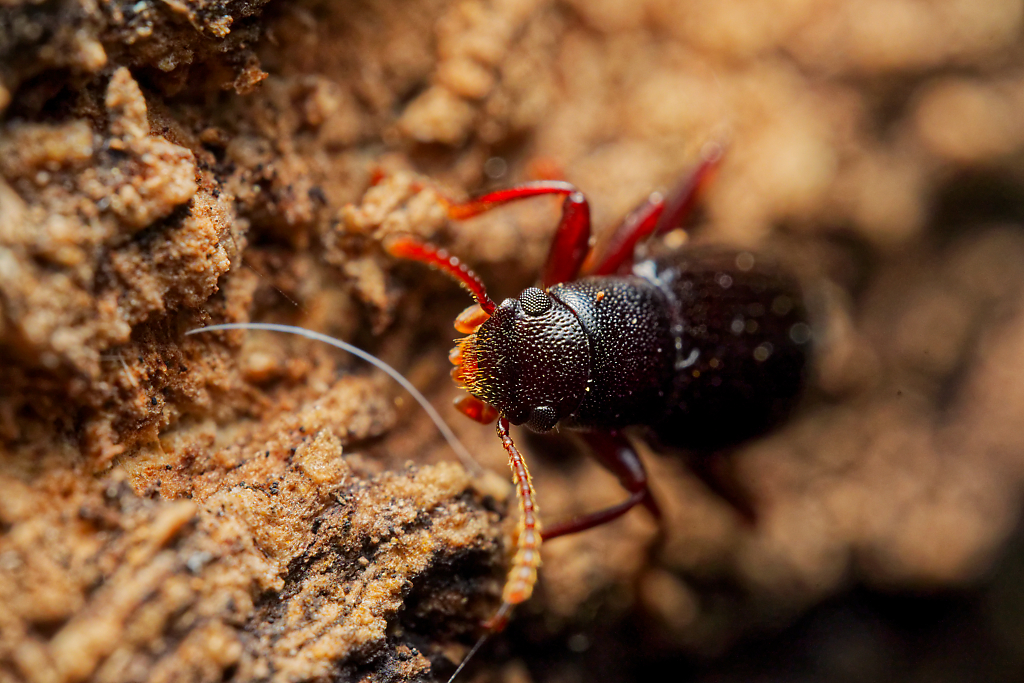
This flightless beetle is a bit under 10 mm long and is quite common on Puangiangi. It’s seen on tree trunks after dark, where it feeds on lichens. Ian Millar and John Marris (Lincoln University) placed it in Artystona, which is endemic to New Zealand.

The species designation is likely but not certain- it’s pretty difficult to get a full identification from a few photos. What’s important is getting an overall impression of the invertebrate fauna on the island and to see if that informs us about ecosystem health and whether it is typical of what we should see in the region.

These beetles are Tenebrionids or darkling beetles, named because they are nocturnal. All told there are about 150 species of darkling beetles in New Zealand. This is one of the smaller ones on Puangiangi. A. rugiceps is the species most frequently reported on iNaturalist and is found throughout the country.
Discover more from Fauna Recovery New Zealand
Subscribe to get the latest posts sent to your email.
 Fauna Recovery New Zealand
Many thanks Barry,
I always enjoy your well-pitched and insightful posts.
Lindsay.
LikeLike
Thanks Lindsay- like the “well-pitched” bit, which I do put effort into. When I was a scientist speaking about my specialist field, I aimed the content at most or all in the room, trying not to talk down to anyone or to bamboozle with BS to cover my own lack of knowledge. The snobby ones did not like my approach one little bit.
LikeLike
I am really enjoying these posts. There is so much to learn about and enjoy in our country, right down to fabulous little beetles.
LikeLike
And I’m enjoying poking around trying to find the animals. Always been interested in the rare and charismatic insects but these common ones are really interesting too!
LikeLike
No such thing as common in nature as far as I’m concerned. To me they are all little wonders, adapted to their world (if we leave their world alone) and going about their business as they should. And we would never get to appreciate them if it weren’t for folk like you who take the time to photograph them, and explain them to us.
LikeLike
This begs a chicken and egg question – how do flightless beetles get to an island? And how long do they need to be isolated to speciate?
Your posts are great Barry, keep up the good work
LikeLike
Thanks Andy. I think the crazy username is a new security feature for people who don’t provide their name when signing up, except you were already signed up with a recognisable username, so, yeah, computers. I guess the fact the beetles are there indicates they were there from 35000 years ago when sea levels were much lower and most of the land masses were connected. And that they were in such big numbers, or so unpalatable, or had somewhere to hide, that rats did not get them. Speciation, who knows, but when you consider that only a tiny fraction of the invert fauna has ever been named or studied, then I don’t think there will be an answer to that any time soon.
LikeLike